
What if the truth you perceive is not absolute, but something viewed through countless layers of coloured lenses?
What if your entire life has been shaped and programmed by everything you have ever encountered? Every image you have seen, every word you have heard, every scent you have smelled, every touch you have felt. What if every experience, no matter how small, has left an imprint on the system that is you?
Some people point to ideas such as mind control programs or psychological conditioning. But what if such theories are unnecessary for this concept to be true? What if human beings are naturally programmed by their environments simply through the act of living, watching, learning,...? What if that is all preplanned?
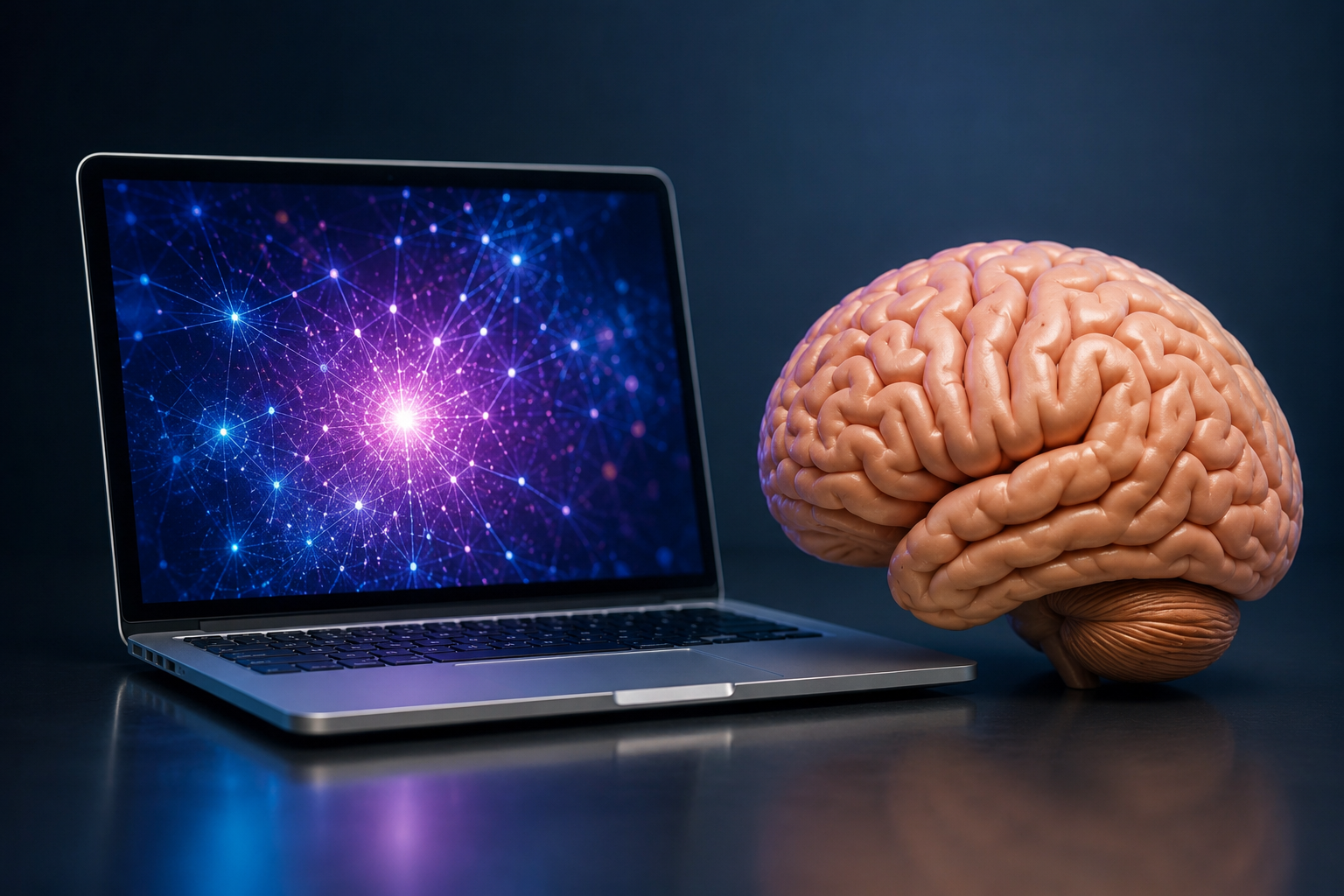
Science tells us that the human brain is capable of extraordinary complexity. In many ways, it surpasses the capabilities of modern computers. It stores information, forms patterns, creates narratives, predicts outcomes, and continuously adapts to new circumstances. If we accept that a computer can be programmed, then perhaps it is worth asking whether humans can be programmed as well.
If this is true, another question emerges: can we deprogram ourselves?
Can we identify the beliefs, fears, assumptions, and habits that have been installed throughout our lives? Can we rewrite them? And if we can, how much of our reality could change as a result?
I believe such a process would require a person to face their entire life honestly. It would mean revisiting forgotten memories, unresolved emotions, painful experiences, and moments of joy alike. It would involve looking directly at everything that has shaped who we are, including the parts we have spent years avoiding.
In many spiritual traditions, there is the idea that after death we review our lives. What if a similar process could be undertaken while still alive? What if a person consciously chose to examine every layer of their experience, rather than waiting until the end?
This is not an easy path. It requires courage to confront old wounds and hidden fears. It requires a willingness to sit with discomfort instead of running from it. Yet there may be value in doing so.
Why would someone willingly revisit darkness?
Because only by facing what has been hidden can a person truly come to know themselves. Only by understanding the forces that shaped them can they begin to choose consciously which influences they allow into their lives moving forward.
The goal is not to erase the past but to understand it. Through that understanding comes freedom—the freedom to decide what remains, what is released, and what is allowed to shape the future.
Perhaps self-awareness is the ultimate form of deprogramming. Perhaps true freedom begins when we stop unconsciously absorbing everything around us and start consciously choosing what we allow into our minds, our hearts, and our lives.
Every experience has consequences. Every influence leaves a mark. The question is whether we are merely receiving those influences or whether we are actively choosing what kind of person they help us become.
If humans are living computers, then perhaps the greatest power we possess is not the ability to process information, but the ability to rewrite our own code.